The entire town of Silverton, Colorado, is a National Historic Landmark with buildings erected in the late 1800s that still retain their Wild West vibe.(Photo: Getty)
Bigger is not always better. While we spend plenty of time oohing and ahhing overlarger mountain townslike Boulder or Chattanooga, there are dozens of smaller hamlets with fewer than 6,000 full-time residents that offer the right combo of amenities and quick access to some of the best spots for outdoor recreation in the country. Here are my favorite small adventure towns across the United States, from minuscule hiking and climbing outposts tobustling ski towns.
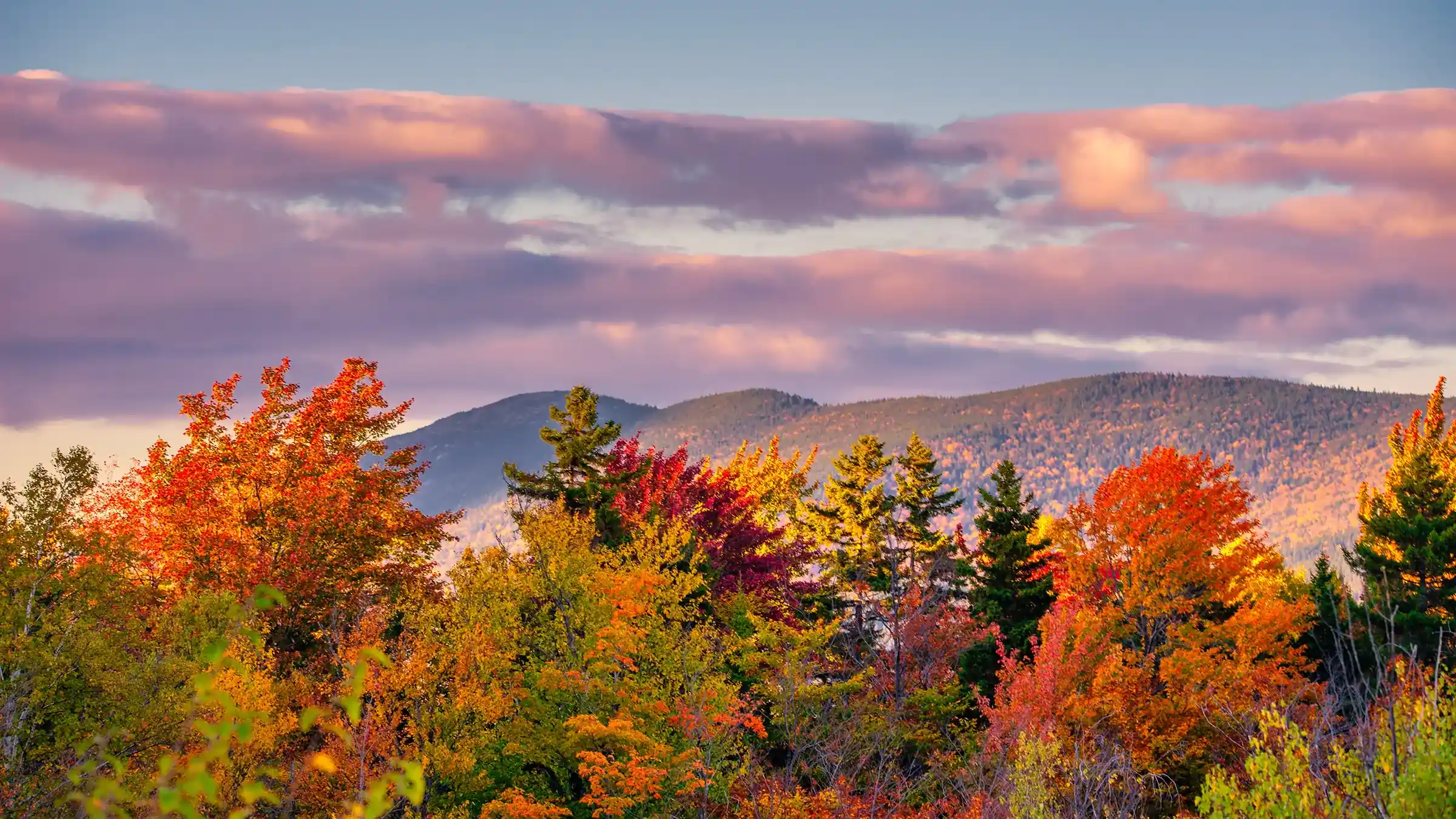
Bethel, Maine
Why I Love It
Bethel is the kind of town that makes you consider relocating. Tucked into Western Maine’s Lakes and Mountains region, the village itself is super walkable with an eclectic array of restaurants, while being surrounded by public land, from the peaks that make up the expansive White Mountain National Forest to the less-intimidating Community Forest trails accessed directly from town.
The slow-moving Androscoggin River passes through the village (prime tubing in the summer) and an ever-growingnetwork of singletrackis attracting more and more mountain bikers.
Oh, and Bethel is flanked by two ski resorts.Sunday Riveris the larger of the two, with more than 2,000 feet of vertical and 750 acres of terrain (not to mention a couple of heated lifts), whileMt. Abramis the mom-and-pop ski hill we all wish we had in our backyard, with $39 lift tickets every day, a friendly uphill policy, and a solid mix of terrain to keep it interesting.
Signature Adventures
Most people come to Bethel to ski Sunday River. If you’re looking for a challenge, head to Oz, a zone loaded with steep double black runs, or take Lollapalooza to Blind Ambition, an expansive gladed run on the edge of Jordan Bowl. Bring your mountain bike during the summer. Mt. Abram has lift-served terrain, but you can hit a number of trails directly from the edge of town.Helixis a fun, flowy three-mile loop in the center of the Bethel Village Trails on the south side of the village.
Where to Eat
Mountain Socialhas a genius cocktail menu, as well as a seafood chowder that hits just right on a cold winter night. If you’re looking for something more casual, Steam Mill Brewing has burgers and a rotating New England IPA on tap.
Where to Stay
TheBethel Resortwill put you on the southern edge of the village, within walking distance of restaurants, and direct access to some of the town’s most loved mountain bike trails (from $126 per night).
Stowe, Vermont
Quite simply, Stowe is the East Coast’s best ski town, especially this winter asStowe Mountain Resorthas enjoyed 329 inches of snow (and counting) at the time I’m writing this article, and then you have the New England charm of the village itself, with its steeples, covered bridges, and brick federal architectural style. And all of this sits in the shadow of the massive Mount Mansfield State Forest and Smugglers’ Notch State Park.
Not cool enough yet? How about an aggressive and progressive local population that’s worked to preserve more than4,000 local acresfor public use while building out a growing system of singletrack and nordic trails that can be accessed straight from town. Is Stowe still a sleepy hamlet tucked into the hills? Yes and no. The village still feels small, but it can be expensive, and it can get crowded, but that’s the proverbial price you pay for being the best ski town on the East Coast.
In the winter, you’re obviously skiingStowe, which is one of the East’s best resorts, with more than 2,000 vertical feet of drop, and 653 skiable acres split between two mountains: Mount Mansfield and Spruce Peak.When the snow melts, combine a slice of theLong Trailand theHazelton Trailfor an eight-mile loop that climbs the 4,393-foot Mount Mansfield via a 2,000-foot climb that includes some ladders and scrambling before reaching the treeless summit, where you can see the surrounding Green Mountains and the White Mountains in New Hampshire.
Mountain bikers should pedal the Stowe Recreation Trail, a six-mile paved path along the What River, to accessCady Hill Forest, Stowe’s signature trail network with 12 miles of purpose-built singletrack. Make sure you hit the mile-long Florence, considered by many the best flow trail in the northeast. And listen, everyone should make a point to visitStowe during fall, when the weather is crisp and the hardwoods are popping off in a barrage of reds, yellows, and golds.
Doc Pondsis incredibly hip, incredibly good, and incredibly crowded, but get on the waitlist and when it’s your chance, order the Vermont cheddar fritters and their smash burger and listen to the DJ spinning from a wall of vinyl. And if you’re in Vermont, you have to stop by theAlchemistand pick up a four pack of the beer that put the brewery on the map, Heady Topper.
Stowe has resorts attached to the ski hill and quaint bed and breakfasts, but check out the new cabins and lodge rooms atOutbound Stowea few miles outside of town, with direct access to Stowe’s Recreation Path. The lodge has its own bar, pool, and hot tub and a grassy lawn overlooking the West Branch of the Little River (from $151 per night).
Silverton, Colorado
Sitting at 9,300 feet in elevation, Silverton is a former gold and silver mining town that has found new life as a basecamp for outdoor adventure, thanks to the surrounding San Juan Mountains—a hotbed of skiing in the winter and alpine adventure in the summer. If you’re standing in downtown Silverton, you’re within and 15 miles of seven of Colorado’s 14,000-foot summits.
The entire town is a National Historic Landmark with buildings erected in the late 1800s that still retain their Wild West vibe. Greene Street, the main road through the heart of town, is the only paved street in the municipality. I’ve visited Silverton during the winter, on my way to ski the backcountry terrain in the San Juan mountains, but I’m dying to get back in the summer and early fall to check out the growing network of mountain bike trails and see the aspens surrounding town turn gold.
Experience the best of the San Juans in summer by hiking theHighland Mary Lakes Trail, located in the Weminuche Wilderness of the San Juan National Forest. The eight-mile out and back passes through meadows packed with wildflowers before delivering you to a trio of high-alpine lakes that are known to house rainbow, cutthroat, and brook trout. The hike tops out at 12,000 feet in elevation, but you can climb higher by picking up the Continental Divide Trail above the lakes.
The local bike club, the Silverton Singletrack Society, is in the process of building out 30 miles of singletrack in a system calledBaker’s Parkthat you can pedal to from town. The first six-mile loop has just opened, offering a steep climb before releasing you to a 1,000-foot, flowy descent.
If you have the skillset, I highly recommend skiingSilverton Mountain, which is like no other ski “resort” in the country. A single chairlift rises from a warming hut, from the top you can skin out to a cornucopia of backcountry lines, all of which demand expert-level skiing. If that’s not enough terrain, Silverton Mountain also offers heli-bumps from the top of the chairlift.
Avalanche Brewinghas great IPAs as well as a full menu, from cauliflower tacos to pizzas loaded with sausage and bacon.
TheWyman Hotelhas 15 modern rooms in a multi-story building that once housed a gas station, ballroom, and lodge hall. The hotel sits in the heart of downtown and every booking comes with a $10 drink credit in the lobby bar (private rooms from $176 per night; bunks in the 10-bed bunk room from $75 per night).
Highlands, North Carolina
Highlands, which is one of the highest incorporated towns east of the Mississippi (elevation: 4,118 feet), has been a mountain escape since the late 1800s, originally attracting wealthy travelers who flocked to the village for its clean air and pristine surroundings.
People today show up for the same reasons, and Highlands has grown into a cultural hub of the mountains, with a surprisingly robust art and culinary scene given its small footprint. Main Street is bustling with shops, galleries and restaurants, while the surrounding Nantahala National Forest offers fast access to hiking trails, mountain lakes, and waterfalls.
Hiking Whiteside Mountain, a 4,903-foot peak named after the sheer, granite face that rises to its summit, is the must-do adventure close to town. The two-mileWhiteside Mountain Trailforms a loop that delivers you to the edge of this 700-foot cliff, one of the tallest in the eastern U.S.
You can actually drive your car behind Bridal Veil Falls, just outside of town, but for a more adventurous waterfall, head to Bust Your Butt Falls, a swimming hole just off Highway 64 on the Cullasaja River with a jumping rock and natural water slide at the base of the falls.
You can’t turn around without stumbling into another fancy (and pricey) restaurant in Highlands, but I likeMountain Fresh Groceryfor its to-go sandwiches and snacks that hit the spot on big hikes.
Highlands has no shortage of high-end hotels and resorts, but I like the newOutpost Inn, a 14-room motel that was recently renovated into a boutique stay where each room has its own typewriter and turntable with record collection (from $189 per night).
Kanab, Utah
You can’t beat Kanab’s location. Tucked into thedesert of southern Utah, just north of the Arizona border, Kanab sits within striking distance of some of the Southwest’s most iconic landscapes.Bryce Canyon National Parkis an hour north,Zion National Parkis 45 minutes west. If you’re looking to take a dip, Lake Powell is an hour east, and drive two hours south and you’ll hit the North Rim of theGrand Canyon.
The town itself is steeped in Hollywood history, as more than 200 Westerns were filmed in the canyons around town. Kanab itself has a bit of aMoab vibe(think adobe buildings and streets sprawling through the desert floor) but it’s far sleepier than its gateway cousin. And the food scene? Surprisingly impressive.
So many parks, so little time. For something unique, head toCoral Pink Sand Dunes State Parkwhere you can sand-board the 75-foot tall dunes, made of grains of quartz coated with iron oxide, giving them a pink hew. You can rent sand boards or sleds from thevisitor centerat the park ($25 per board).
Hike Wire Pass to Buckskin Gulch, considered the longest slot canyon in America. TheWire Pass Trailis the fastest way into the gorge, a 3.4-mile round trip that delivers you to the canyon. From there, you can explore up or down the canyon to your heart’s content. The gulch is in theGrand Staircase-Escalante National Monument. You’ll need apermitfor the day hike.
Buckskin Gulch is more than 12 miles long, and 200 feet deep at its low point. The walls are never wider than 20 feet during its entire length.
Kanab is a legitimate foodie destination with a handful of restaurants that punch above the weight of a town this size. If you’re looking for a memorable dinner, head toSego, where the menu revolves around a series of small plates, from foraged local mushrooms to chili-rubbed beef sourced just across the border in Arizona.
There are plenty of hotels around town, but spend the night atWhite Camel, a glamping resort with geodesic domes that have king beds, their own kitchenette, and massive windows overlooking the red rock cliffs (from $170 per night).
Patagonia, Arizona
Start in Tucson, then head an hour south (almost to the Mexican border) and you’ll find tiny Patagonia, a former mining town that’s just starting to transition into a bonafide adventure town. This one-street village is surrounded by 10,000-foot peaks, and sits within striking distance of two state parks—Patagonia Lake and Sonoita Creek. But the real draw here is the myriad of gravel roads that extend from main street into the surrounding hills, traversing an endless sea of desert grassland.
You’ll hear both Spanish and English spoken throughout town, which also sports the tell-tale signs of a modern mountain outpost (like at the coffee bar with weekend food trucks), but is still hanging onto its blue-collar roots (and rooms are still relatively cheap).
The 800-mile longArizona National Scenic Trail, which runs the length of the state, can be found just outside of town. Head south for a meandering hike through rolling grasslands, or north and you’ll tackle the Santa Rita Mountains, where steep climbs and granite peaks await.
But you’re probably here for the gravel riding, too. The options are endless, and the terrain is rolling instead of grueling, so plan for big-mile days. Start with the 30-mile Alto Ghost Town ride, which climbs through a series of canyons on its way to the ruins of a former mining camp. The undulating grasslands turn gold in the fall but form mesmerizing, shimmering waves regardless of when you ride through them.Patagonia Bikeshas rentals (from $125 per day).
TheVelvet Elvis Pizza Companyhas build-your-own pizzas, margaritas, and classy oil portraits of The King, whilePatagonia Lumber Companybrews coffee in the morning, beer in the afternoon, and hosts rotating food trucks on weekends.
Grab a spot in theGravel House’snine-room hotel, which sits on main street within walking distance of everything, and has dedicated bike storage (from $125 per night).
Mazama, Washington
There’s small, and then there’s Mazama, a hamlet in central Washington’s Methow Valley that has less than 200 year-round residents and a “downtown” that’s nothing more than a handful of businesses situated around a junction where two roads meet. But Mazama has everything you need—food, beer, supplies, and a place to sleep.
More importantly, the town is surrounded by theMethow Trails, the largest network of nordic ski trails in the country (120 miles), all of which were created and maintained by a non-profit, also calledMethow Trails. During the summer, there’s whitewater rafting on the Methow River, and trad and sport climbing on the Goat Wall, a 1,500-foot tall cliff overlooking the valley. Need more? Mazama is agatewaytoNorth Cascades National Park, which has more glaciers than any park in the lower 48, and also happens to be one of the least visited parks in the country, with under 17,000 visitors last year.
State Road 20, a.k.a. North Cascades Highway, closes from Mazama into the park during the winter, but come summer, the two-lane offers a beautiful 90-minute drive west over Washington Pass. TheRoss Lake Recreation Areaof the park offers the easiest access to Mazama. There, you’ll find three reservoirs of differing shades of milky blue. Grab a canoe ($75 a day) fromRoss Lake Resortand explore the lake, which is surrounded by steep, green mountains. Or hike the 3.5-mileThunder Knob Trailto a prominent point overlooking Diablo Lake.
If you make the trek during winter, cross country skiing is the ticket. There are 120 miles of nordic trails throughout the valley, all of which are groomed nightly. Crazy right? Mazama has its own trailhead, where you can kick and glide along the 11-mileLatte Loop, which has minimal gain but big-valley views.
There aren’t a lot of options, but theMazama Storehas to-go sandwiches and snacks and is the best example of what a modern general store can be. TheMazama Public Househas a taproom and patio with views of Goat Peak, not to mention craft beer, rice bowls, and even sushi.
TheInn at Mazamahas lodge rooms within walking distance of the Public House (from $182 per night).
Fayetteville, West Virginia
In the 1800s, the New River Gorge area attracted lumberjacks and coal miners, as the river canyon was rich in both resources. Now, it attracts hikers, boaters, and climbers, and theNew River Gorgehas become one of America’s newest national parks.
The small town of Fayetteville has stood witness to it all, evolving into a world-class gateway community with a historic downtown square, and just enough in the way of restaurants and shops to keep visitors and locals satiated. Fayetteville still retains that sleepy, small town vibe, but just beyond the city’s borders lies some of the best outdoor recreation in the East, starting with the whitewater rafting and world-class climbing inside the New River Gorge. There’s also mellow paddling on Summersville Lake, mountain biking on the Arrowhead Trails, a hand-carved system built by Boy Scouts, and more whitewater action on the nearby Gauley River.
Most people show up to raft theNew River, which runs for 53 miles through the heart of the 1,000-foot deep canyon. The river is typically broken down into two day-long runs. The Upper New is more family friendly, with 13 miles of class I-III rapids, while the Lower New has big hits that reach class IV plus.
The whitewater is exciting, but the climbing is actually better, with more than 1,500 established routes along the sandstone walls that loom over the river below. And that doesn’t even include the growing number of bouldering problems found in the gorge. The climbing isn’t easy (grades top out at5.15a) butNew River Climbingwill put you on the right route if you’re looking for a guide (starting at $130 per person).
Fayetteville’s downtown square sports a handful of restaurants. Operating out of a former church just off the square,Cathedral Cafehas been the town’s go-to for breakfast and lunch for decades. If you ride a couple of hot laps on the flowyArrowhead Trails, make sure to stop by theArrowhead Bike Farmfor a cold beer and a brat (or taco) served al-fresco in their beer garden.
The New River Gorge supports several adventure outposts, where you can find cheap campsites or luxury cabins. I likeAdventures on the Gorge, which has options spread across a 350-acre campus with its own restaurants, a pool, and a stunning view of the gorge itself (covered platform tent sites start at $49 per night).
McCall, Idaho
The obvious draw to McCall is the skiing. The small town sits in the Cuddy and Salmon River Mountains of Idaho, collecting 300 inches of snow a year, with quick access to three ski resorts, Tamarack Resort, Brundage Mountain, and the aptly named Little Ski Hill, which has night skiing and just a T-bar for a lift.
But then you also have Payette Lake, a 5,000-acre beauty surrounded by green peaks and full of trout that have been beckoning anglers since the 1800s. Not to mention, whitewater rafting on the Middle Fork and Main Fork of the Salmon, and a growing portfolio of mountain bike trails, as well as ample hiking trails in Payette National Forest and Ponderosa State Park. Begin stacking all of these attributes up and it becomes obvious that the draw to McCall is…everything.
Many will argue thatBrundage Mountain Resorthas the best powder in Idaho, so skiers should head there during a winter visit. The mountain has almost 2,000 acres of front-side terrain to explore, but it’s the 18,000 acres of backcountry that you can access via the resort’scat programthat are the real gem here (starting at $575).
Bring your bike in the summer as McCall is rapidly becoming amountain bike haven, earning a Silver Ride Center designation from IMBA, with a diverse suite of trails that’s rapidly approaching 500 miles large. Head straight forJug Mountain Ranch, a golf course resort that’s gone all-in on mountain biking with 17 miles of fast, flowy descents, some of which are packed with wooden features, all accessed via easy-to-climb fire roads or shuttle ($30 per rider).
McCall is a bustling adventure town with plenty of options for a good meal, butSalmon River Breweryhas award-winning lagers to go along with their fried wild salmon and chips.
Scandia Inntakes modern Scandinavian-inspired design and puts it into a 1970s-era motel built with local timber. And the rooms walk out onto an expansive lawn with games and fire pits (from $131 per night).
Bigfork, Montana
At first glance, Bigfork is a lake town, sitting on the edge of the massive Flathead Lake, which has 200 square miles of water and 185 miles of shoreline. And it has plenty of kayaking and fishing for those that are water inclined. But it’s also a hiking town, with quick access to the Bob Marshall Wilderness, the Flathead National Forest, and numerous state parks.
Want a little adrenaline? Bigfork is also the basecamp for whitewater adventures on the Middle Fork and North Fork of the Flathead River. Oh, and Bigfork is just an hour from the West Glacier entrance toGlacier National Park. So is Bigfork a lake town? Yes, but it’s also so much more.
Head to theJewel Basin Hiking Areaof Flathead National Forest, a 15,000-acre tract within the Bob Marshall Wilderness featuring more than 20 alpine lakes. Hike a 6.6-mile loop combining theMount Aeneas Trail(#717) and the Picnic Lakes Trail to the rocky summit of the 7,000-foot Mount Aeneas, where you’ll find views of the Jewel Basin lakes below, and the ridges of Glacier National Park on the horizon. You’ll occasionally find mountain goats on the summit too. Bring a flyrod and try to land one of the cutthroat or rainbow trout that thrive in the Picnic Lakes on the back end of the loop.
Flathead Lake has six state parks that protect its shoreline and the islands in the middle of the water. Paddle two miles across the lake from the boat launch in Dayton, Montana, toWild Horse Island, a 2,165-acre state park in the middle of the lake that’s only accessible by boat. Instead of cars, you’ll see feral horses and bighorn sheep.Basecamp Big Forkhas kayak and paddleboard rentals (starting at $40).
Flathead Lake Brewinghas views of the lake, 16 beers on tap, and a large pub-food menu that includes a burger topped with jalapeño poppers. So, yeah. Yum.
Flathead Lake Lodgeis an all-inclusive dude ranch on 2,000 acres running along the shores of Flathead Lake. You’ll get access to the property’s 15-mile private mountain bike trail system, canoes, hikes, and horseback rides to backcountry breakfast (starting at $5,103 a week). If you’re looking for less of a financial commitment,Flathead Lake Resorthas cabins and Airstreams, all of which come with private access to the lake (from $210 per night).
Graham Averillis Outside magazine’s national parks columnist. He’s been lucky enough to live in a few of America’s most fun (and expensive) adventure towns, and recently wrote about the country’sbest mountain towns. He also recently wrote about the best national parks forspring break trips.